
Do dermatologists recommend tap water filters for mums?

You moisturise your toddler twice a day.
You buy the gentle wash.
You avoid fragrance.
And yet… the scratching continues.
Or maybe it is your own skin. Tight after every shower. Reactive. Slightly irritated for no obvious reason.
So here is the question many mums are starting to ask:
Do dermatologists recommend a tap water filter?
Let’s talk about what is really happening at the tap - and whether filtering your water could support calmer skin for you and your family.
Why could tap water be affecting your family’s skin?
Australian tap water is safe to drink. That is not in question.
But water that is safe to drink is not always ideal for repeated skin contact - especially for babies, children and women with sensitive or hormonal skin.
What is in unfiltered tap water?
Depending on your area, tap water may contain:
-
Chlorine or chloramine
-
Calcium and magnesium - known as hard water minerals
-
Trace heavy metals
-
Rust and sediment
Hard water is common in many regions. Research published in the Journal of Investigative Dermatology has found an association between hard water exposure and an increased risk of eczema in children. The minerals can bind to the skin and interfere with the barrier function.
Your skin’s natural pH is slightly acidic. Tap water is usually neutral or slightly alkaline. That difference may disrupt the acid mantle - the protective layer that keeps moisture in and irritants out.
For little ones, whose skin barrier is still developing, this can matter even more.
Do dermatologists recommend a tap water filter?
Dermatologists do not hand out water filters at appointments. However, many skin specialists recognise that water quality can influence skin health, particularly for those with:
-
Eczema
-
Dermatitis
-
Rosacea
-
Chronically dry skin
They often advise:
-
Using gentle, pH-balanced cleansers
-
Moisturising immediately after washing
-
Minimising exposure to irritants
-
Considering water filtration in hard water areas

For families already managing sensitive skin, reducing one potential irritant can make daily care easier.
It is not about dramatic claims. It is about reducing friction in an already busy routine.
What does unfiltered water actually do to skin?
Let’s make this practical.
Hard water minerals can:
-
React with cleansers, making them less effective
-
Leave a light residue on the skin
-
Contribute to clogged pores
-
Increase dryness and tightness

Chlorine, used to disinfect water, can also be drying. When skin is repeatedly exposed, especially during daily face washing or bath time, the barrier can struggle.
If your child’s skin flares after swimming, think about how chlorine behaves. Tap water contains lower levels, but daily exposure still adds up.
Why are more mums choosing filtered tap water?

Mums are practical. You are not chasing trends. You want solutions that fit real life.
A tap water filter is appealing because:
-
It is a one-time installation
-
It works every single day
-
It supports both adult and child skin
-
It does not add another product step
Filtered water may feel softer on the skin. Many women report less tightness after washing and fewer flare-ups in sensitive areas.
It is not glamorous. It is sensible.
How can a Lushi Filter help?
If you are considering filtration, the Lushi bath water filter is designed specifically for bathroom tap water.
It helps reduce:
-
Chlorine
-
Chloramine
-
Heavy metals
-
Rust
-
Microplastics
That means the water touching your face - and your child’s skin - is gentler and cleaner.
Installation is straightforward. It fits onto your bathroom tap and works quietly in the background.
When it is time to maintain performance, the Lushi Filter refill cartridge keeps things consistent without fuss.
This is the kind of change that feels empowering. You are not adding more to your mental load. You are simplifying it.
Is a tap water filter worth it for your household?
Ask yourself:
-
Does your child have eczema or sensitive skin?
-
Do you live in a hard water area?
-
Does your skin feel tight after washing?
-
Are you already investing in gentle skincare?
If you are doing everything “right” and still struggling, water may be the missing piece.
A simple family routine with filtered water
You do not need a complicated system.
Try this:
-
Install your tap water filter.
-
Use gentle cleansers for both you and your children.
-
Pat skin dry - avoid rubbing.
-
Apply moisturiser within three minutes of washing.
-
Keep routines consistent and simple.
Reducing irritants while supporting the barrier gives skin a better chance to settle.
Frequently asked questions about tap water filters

Is tap water bad for babies’ skin?
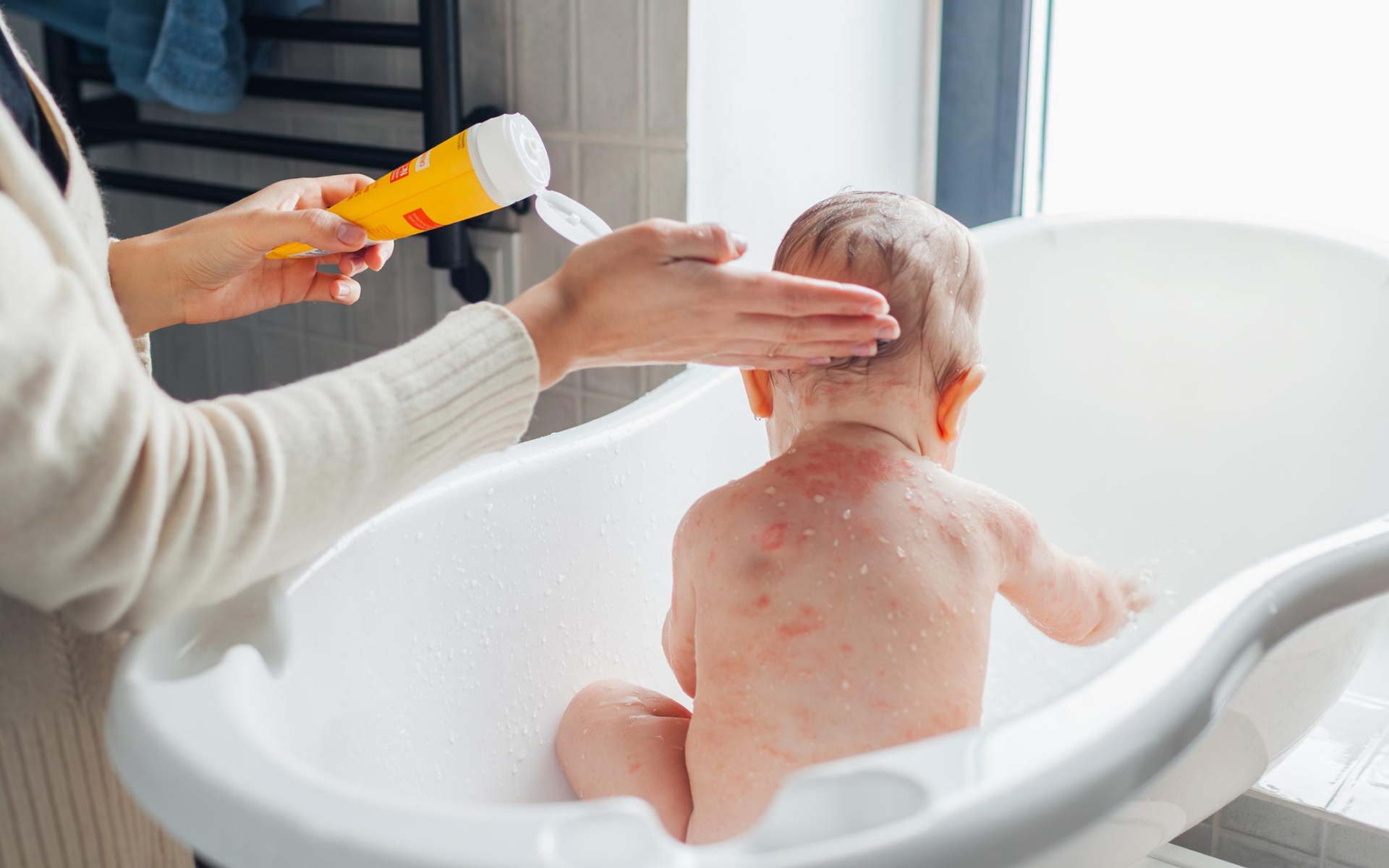
Tap water is safe, but hard water and chlorine can be drying. Babies with eczema may benefit from reduced exposure to irritants.
Can filtered water help eczema?
It is not a medical treatment. However, lowering chlorine and mineral exposure may help reduce skin stress, particularly in sensitive individuals.
Will a tap water filter fix dry skin completely?
No single solution fixes everything. Hydration, skincare and environment all play a role. Filtration supports the overall picture.
Do dermatologists recommend tap water filters for everyone?
Not universally. They may suggest considering filtration for those with chronic sensitivity or living in hard water areas.
What this means for your family

You are already doing a lot.
If bath time feels like a negotiation with irritated skin, or if your own face feels tight before breakfast, it may be time to look at what is coming out of the tap.
Do dermatologists recommend a tap water filter? Many acknowledge that water quality matters. Especially for families managing sensitive skin.
You do not need to overhaul your bathroom. You just need to create kinder conditions.
If you are ready to explore a simple, practical upgrade, visit lushifilter.com and learn more about how a Lushi Filter can support calmer, more comfortable skin at home.
Sometimes the most powerful changes are the quiet ones - the ones that work in the background while you get on with being a mum.


Leave a comment
This site is protected by hCaptcha and the hCaptcha Privacy Policy and Terms of Service apply.