
Article: Why is my skin so dry even when I moisturise?
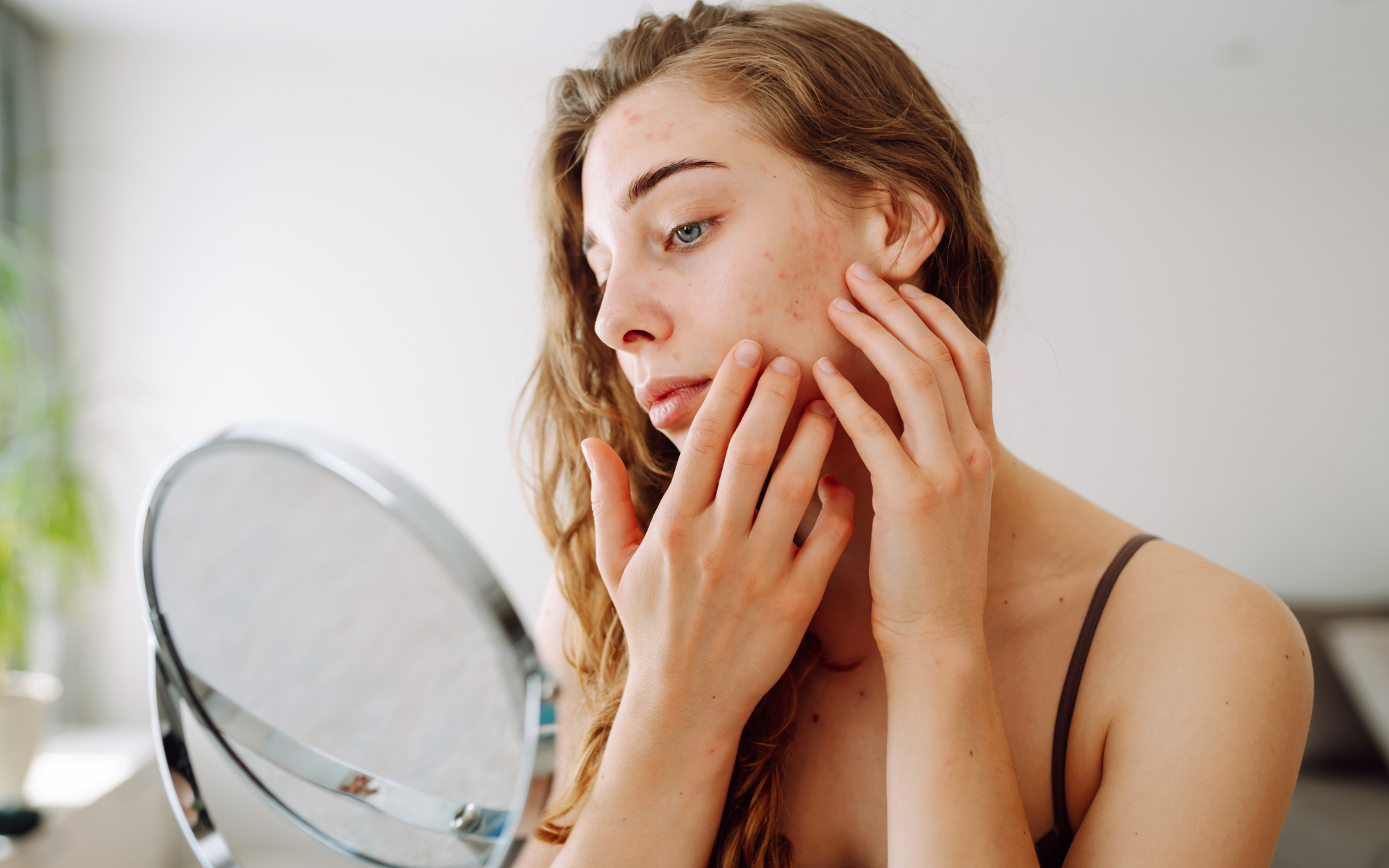
Why is my skin so dry even when I moisturise?
Ever slathered on your favourite moisturiser only to find your skin feeling dry again by lunchtime?
You're not alone. It's one of the most common skincare frustrations, especially during the cooler months. While moisturiser is an essential part of healthy skin, it isn't always the solution. If your skin still feels tight, flaky or rough after moisturising, there's usually something else going on beneath the surface.
Your skin is affected by far more than the products you apply. Daily habits, the weather, your health, and even the water you wash with can all influence how well your skin holds onto moisture.
The good news? Once you understand what's causing the dryness, small changes can make a noticeable difference.
Why your skin barrier matters
Think of your skin barrier as your body's natural protective layer.
Its job is to keep moisture in while protecting your skin from irritants, pollution and bacteria. When that barrier becomes damaged, water escapes more easily, leaving your skin feeling dry, sensitive and uncomfortable.

Some common signs of a weakened skin barrier include:
-
Tight skin after cleansing
-
Flaky patches
-
Redness or irritation
-
Itchiness
-
Moisturiser that doesn't seem to help for very long
Rather than simply applying more moisturiser, the goal is to support your skin barrier so it can do its job properly.
Your moisturiser may not be rich enough
Not all moisturisers are designed for every skin type.
If your skin is naturally dry or your skin barrier is struggling, a lightweight lotion may not provide enough nourishment to prevent moisture from escaping.
Instead, look for creams containing ingredients such as:
-
Ceramides
-
Glycerin
-
Hyaluronic acid
-
Squalane
-
Shea butter
These ingredients help attract and lock moisture into the skin while supporting your natural skin barrier.
Quick tip: If your skin feels dry within an hour of applying moisturiser, consider switching to a richer cream rather than simply using more product.
Dead skin cells can stop moisturiser from working

Dry skin often comes with a build-up of dead skin cells.
Ironically, those flakes can stop your moisturiser from reaching the healthy skin underneath.
Gentle exfoliation once or twice a week removes this layer, allowing your skincare products to absorb more effectively.
Choose gentle chemical exfoliants or mild exfoliating cleansers rather than harsh scrubs, which can damage an already sensitive skin barrier.
A little cheeky reminder: If your face feels like it's been polished with sandpaper afterwards, you've probably overdone it.
Timing is more important than you think
One of the simplest ways to improve your skincare routine is to moisturise while your skin is still slightly damp.
After cleansing or showering, your skin already contains water. Applying moisturiser within a few minutes helps seal that moisture in before it evaporates.
It's a small habit that can make a surprisingly big difference.
Your active skincare products could be drying your skin
Many products designed to improve your skin can temporarily dry it out.
Ingredients such as retinol, salicylic acid, glycolic acid and benzoyl peroxide are highly effective but can weaken the skin barrier if used too frequently.
If your skin feels irritated, try:
-
Reducing how often you use active ingredients
-
Applying moisturiser after treatment
-
Giving your skin recovery nights between stronger products
Healthy skin isn't about using the most products. It's about using the right ones in balance.
Your daily habits may be working against you
Sometimes the biggest culprit isn't your skincare routine at all. It's your everyday routine.
Several common habits can strip away your skin's natural oils, including:
-
Long, hot showers
-
Washing your face multiple times a day
-
Harsh soaps or cleansers
-
Indoor heating during winter
-
Air conditioning
-
Frequent swimming in chlorinated pools
Then there's something many people rarely think about - the water coming from the tap.
Australian tap water is treated with chlorine to make it safe to drink. It's an important part of public health, but chlorine can also contribute to dryness or irritation for some people, particularly those with sensitive skin or eczema.
If you're washing your face morning and night, that's more than 700 cleanses every year.
For some people, reducing exposure to chlorine may help create a gentler cleansing routine.
Age naturally changes your skin
As we get older, our skin produces less oil.
This makes it harder for your skin to retain moisture, which is why dryness often becomes more noticeable with age.
Rather than adding more products, consider switching to richer formulations that better support mature skin.
Some health conditions can cause dry skin
Persistent dry skin isn't always caused by your skincare routine.
Conditions such as eczema, psoriasis and contact dermatitis can all weaken the skin barrier.
Other health conditions, including diabetes, thyroid disorders and kidney disease, may also contribute to ongoing dryness.
If you've adjusted your routine and your skin still isn't improving, it's worth speaking with your GP or dermatologist.
Some medications have dry skin as a side effect
Dry skin is a common side effect of certain medications, including some acne treatments, blood pressure medicines, cholesterol medications and diuretics.
Never stop taking prescribed medication without medical advice.
Instead, ask your healthcare provider about ways to better support your skin while continuing your treatment.
Your diet plays a role too

Your skin reflects what's happening inside your body.
A balanced diet containing healthy fats, protein, vitamins and minerals helps support healthy skin from within.
Nutrients commonly linked to skin health include:
-
Vitamin A
-
Vitamin D
-
Zinc
-
Iron
-
Essential fatty acids
Eating a colourful, balanced diet and staying hydrated gives your skin the building blocks it needs.
Dry air can leave your skin feeling thirsty
Australian winters can be surprisingly harsh on your skin.
Cold air outside, combined with heaters and air conditioning indoors, reduces humidity and allows moisture to evaporate more quickly.
To help protect your skin:
-
Moisturise morning and night
-
Keep showers warm rather than hot
-
Use a humidifier if your home feels particularly dry
-
Drink plenty of water throughout the day
These simple habits help your skin stay comfortable all year round.
Could filtered water make a difference?
When we think about skincare, we usually focus on cleansers, serums and moisturisers.
But the water we wash with deserves a little attention too.
If your local tap water contains chlorine and other common impurities, repeated exposure may contribute to dryness or irritation for some people. While everyone's skin is different, reducing unnecessary exposure to these substances can help create a gentler skincare routine.
That's where a quality tap filter comes in.
The Lushi Filter is designed to reduce chlorine and other common impurities at your bathroom tap, providing cleaner water for your everyday cleansing routine. It doesn't replace moisturiser or skincare products, but it can complement them by creating a cleaner foundation before your routine even begins.

If you're looking for a simple way to support your skin barrier, the Lushi Bath Water Filter is designed to fit seamlessly into your daily routine. To keep your filter performing at its best, remember to replace the cartridge regularly with a genuine Lushi Filter replacement cartridge.
Frequently asked questions
Does a tap filter help dry skin?
A tap filter can reduce chlorine and other common impurities found in tap water. While it isn't a treatment for dry skin, many people find filtered water feels gentler on sensitive skin and complements a healthy skincare routine.
Can hard water make your skin dry?
Yes. Hard water contains minerals that may leave residue on the skin, making it feel tight or dry after washing.
Is filtered water better for washing your face?
Filtered water may help reduce exposure to chlorine and other impurities, creating a gentler cleansing experience, particularly for people with dry or sensitive skin.
What is the Lushi Filter?
Lushi Filter is a bathroom tap filter designed to reduce chlorine and other common tap water contaminants, providing cleaner water for your daily skincare routine.
How often should I replace my Lushi Filter cartridge?
For the best filtration performance, replace your cartridge according to the recommended schedule provided by Lushi.
Healthy skin starts with healthy habits

If your skin still feels dry despite faithfully applying moisturiser every day, don't be too quick to blame your moisturiser.
Healthy skin is influenced by many everyday factors, from your skincare products and daily habits to the air around you and even the water you use to wash your face.
By supporting your skin barrier with the right routine and reducing unnecessary irritants where possible, you can give your skin a better chance to stay soft, comfortable and hydrated.
If you're ready to create a gentler skincare routine from the tap up, explore the Lushi Bath Water Filter at https://www.lushifilter.com/pages/bath-water-filter. When it's time for a refresh, you can find genuine replacement cartridges here: https://www.lushifilter.com/products/lushi-filter-tap-water-filter-refill-cartridge.


Leave a comment
This site is protected by hCaptcha and the hCaptcha Privacy Policy and Terms of Service apply.