
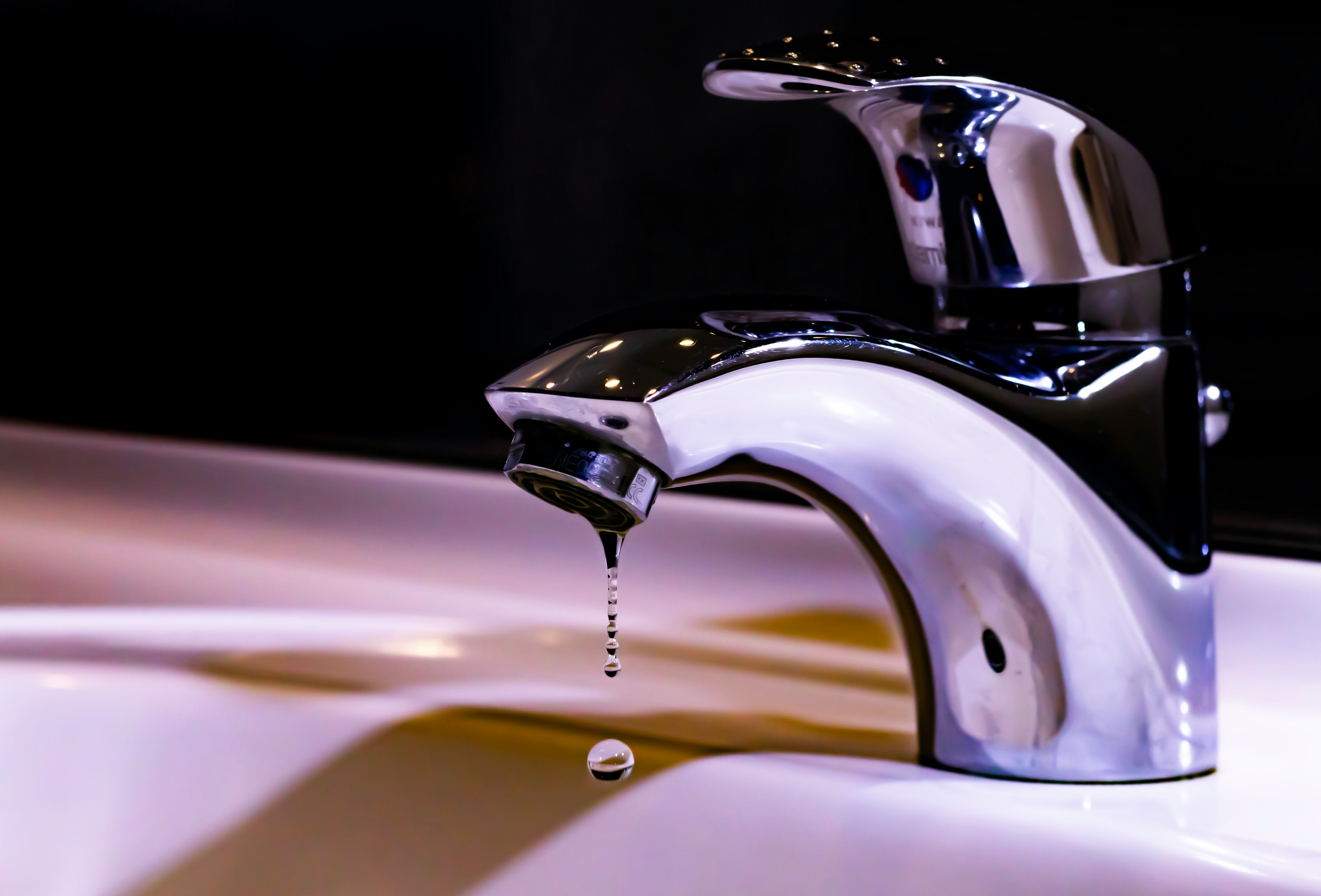
Does your tap water actually affect your acne? Dermatologists say yes — and your skin has been asking for help.
If you’ve tried every serum, swapped cleansers, changed diets, and still wake up to breakouts… it might not be your products.
It might be your tap water.
Most Australians wash their face with water that contains chlorine, chloramine, microplastics, rust, and traces of heavy metals — all completely legal in drinking water… but not exactly friendly to a sensitive skin barrier.
And for acne-prone or reactive skin?
Those daily face washes can quietly sabotage months of effort.
Here’s the truth dermatologists are talking about — and why filtered tap water is becoming the “secret step” in barrier-first skincare.
Quick answer
Yes. Filtering your bathroom sink tap water can support clearer, calmer, more hydrated skin by removing chlorine, heavy metals, microplastics, rust, and other irritants that disrupt the skin barrier and microbiome.
Healthy skin starts with water. And if the water isn’t clean, even the best skincare won’t perform the way it should.
Key takeaways
-
Tap water impurities — especially chlorine and heavy metals — dry out the skin, disrupt the barrier, and aggravate acne.
-
Many people report calmer skin and fewer breakouts after switching to filtered tap water.
-
Dermatology research shows chlorine and irritants increase inflammation, oxidative stress, and moisture loss.
-
Filtering your sink tap helps your skincare work better by reducing irritation and improving absorption.
-
If you’re acne-prone, sensitive, or dealing with dryness or redness — your water quality matters more than you think.
Why does the type of tap water matter for acne?
We obsess over cleansers, exfoliants, serums… but forget the one thing every single routine relies on: the water we wash with.
Australian tap water is treated to make it safe to drink — not necessarily gentle on your face. That means your daily cleansing water can contain:
-
Chlorine
-
Chloramine
-
Microplastics
-
Rust
-
Trace heavy metals
For acne-prone skin, these can trigger:
-
Breakouts and clogged pores
-
Excess oil production
-
Redness and sensitivity
-
Barrier damage
-
Stinging or tightness after cleansing
-
Poor absorption of active ingredients
Filtered tap water helps remove these irritants at the source, creating a cleaner, gentler environment for your skin to heal.
What happens when chlorine touches the skin?
Chlorine is a powerful disinfectant… great for pools, not great for your face.
When chlorine meets the skin, it can:
-
Strip natural oils
-
Break down barrier proteins
-
Trigger oxidative stress
-
Increase inflammation
-
Disrupt healthy bacteria
For acne-prone skin, that translates to:
-
More redness
-
Overproduction of oil
-
Irritated breakouts
-
Compromised barrier
-
Flaky patches mixed with congestion
Filtered water helps neutralise these chemicals before they touch your skin — meaning calmer, happier barrier.
Can filtering your sink water improve hydration + barrier function?
Absolutely. Dermatology studies show that removing chlorine and irritants improves the skin’s ability to retain moisture.
When your barrier is compromised, your skin can't hold water properly — which often leads to both dryness and oiliness. Many acne routines (like retinoids or BHAs) make dryness worse, which chlorine only amplifies.
With filtered water, people typically notice:
-
Less tightness after cleansing
-
More hydration that actually stays
-
Better tolerance for acne treatments
-
Reduced post-cleanser redness
-
Smoother, more balanced skin overall
Barrier support is everything — and water is the first step.
How tap water impacts your skin microbiome
Your microbiome is your skin’s natural defense squad. Chlorine and heavy metals disrupt these microorganisms, making skin more prone to:
-
Breakouts
-
Irritation
-
Red, inflamed flare-ups
-
Slower healing
Filtered tap water helps keep your microbiome balanced — which is crucial for acne-prone and sensitive skin.
Does hard-feeling water make acne worse?
Many people describe their bathroom tap water as “harsh,” “drying,” or “tight.”
This is often due to chemical disinfectants and metal particles, which cling to the skin, mix with sebum, and form pore-blocking films.
Filtered water helps reduce:
-
Stubborn residue
-
Pore congestion
-
Dullness
-
Irritation from cleansers not rinsing clean
Think of it like rinsing your face with skincare-friendly water instead of harsh tap water.
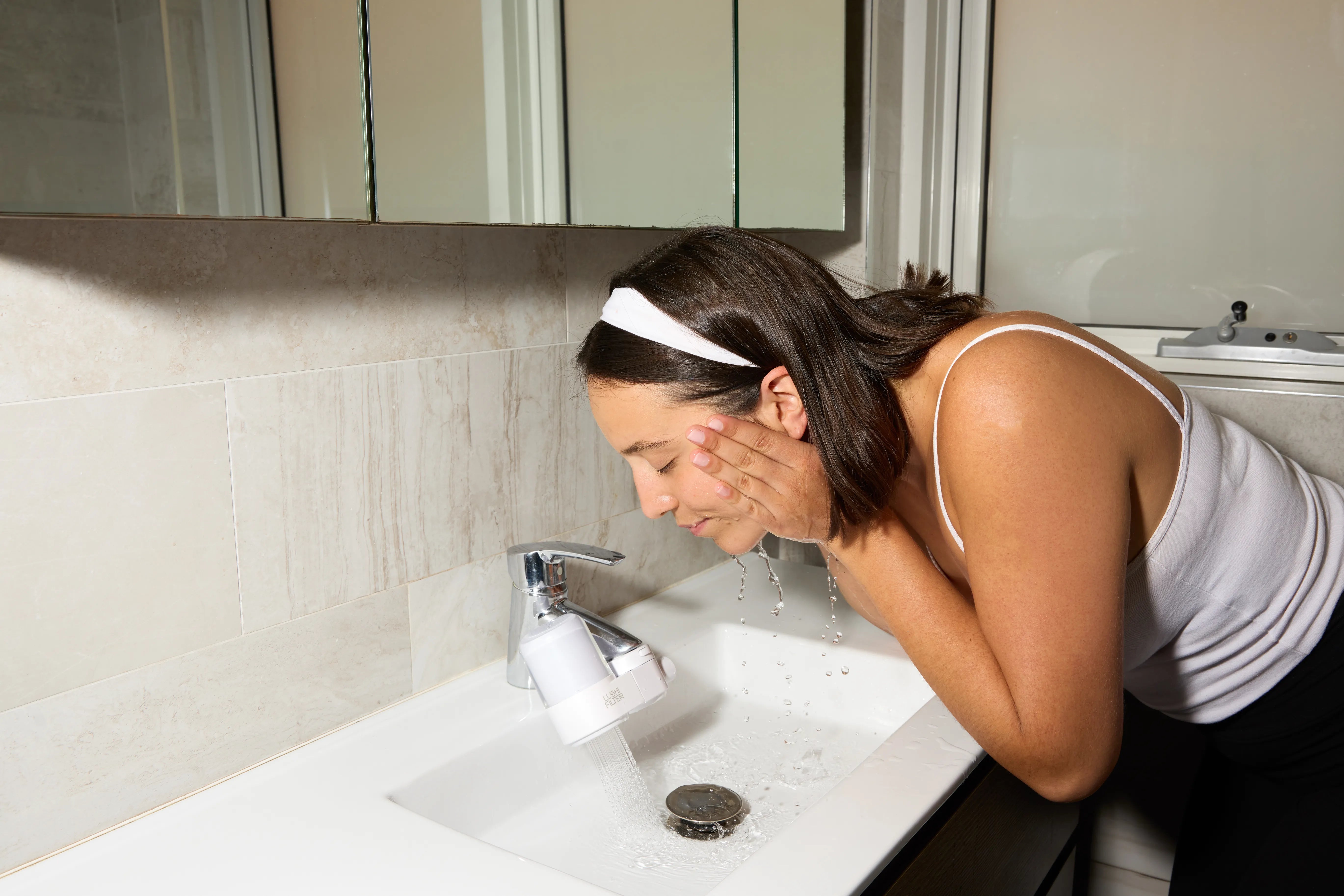
How a filter helps acne-prone skin (when washing at the sink)
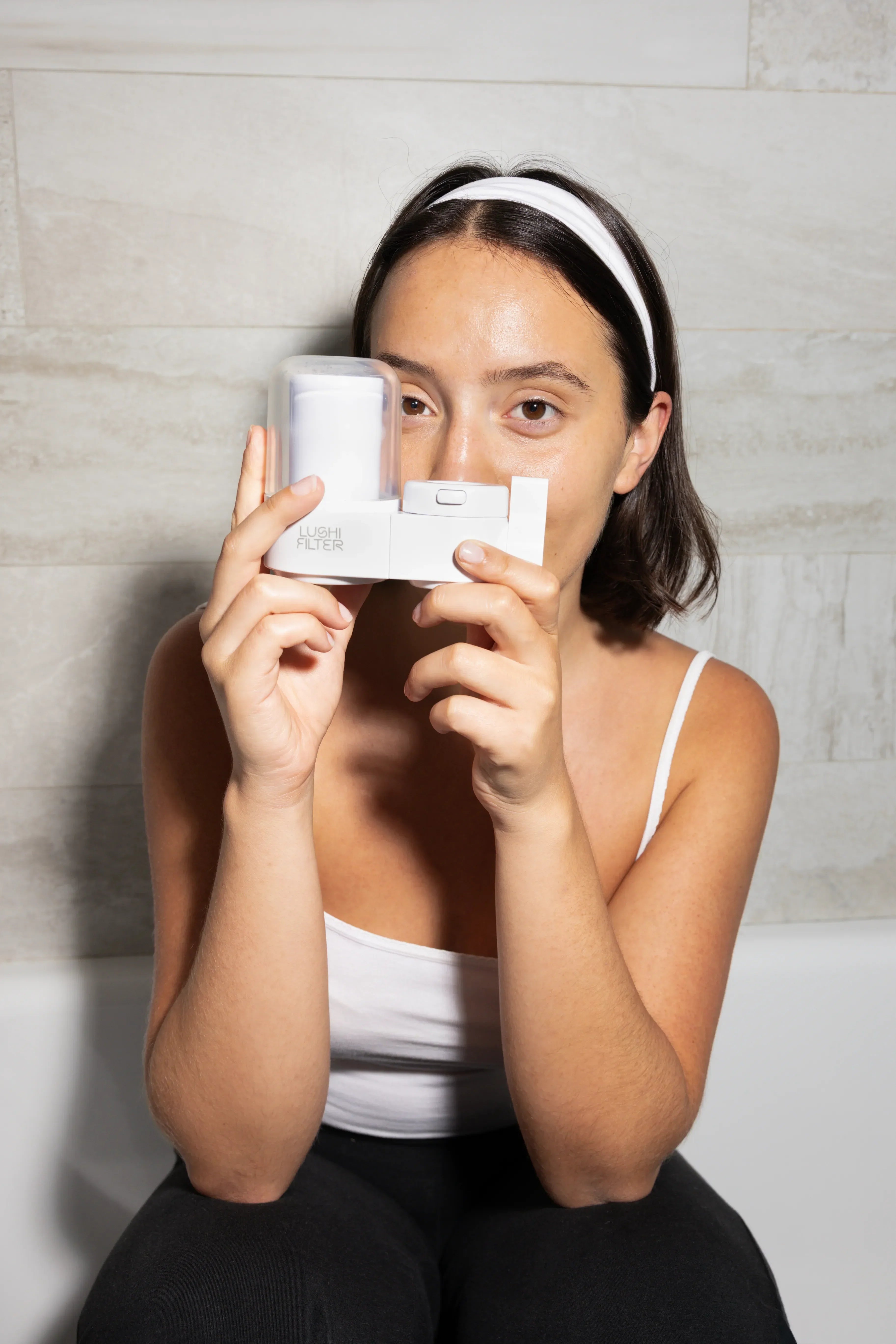
The Lushi Filter uses advanced filtration (down to 0.01 microns) to help remove:
-
Chlorine & chloramine
-
Microplastics
-
Rust
-
Heavy metals
-
Other irritants that trigger inflammation
For acne-prone skin, this means:
-
A calmer barrier
-
Less dryness and tightness
-
Better product absorption
-
Reduced irritation from active skincare
-
More balanced oil levels
-
Fewer “mystery breakouts”
Most people notice a difference within 2–4 weeks.
Will filtered water make your acne treatments work better?
Yes — and this is a big one.
Chlorine and metal particles don’t just irritate your skin… they can actually interfere with the absorption of active ingredients like:
-
Salicylic acid
-
Retinoids
-
Benzoyl peroxide
-
Azelaic acid
-
Niacinamide
When your barrier is stressed, your products have to work harder — and you feel more irritation.
Filtered water helps by:
-
Creating a clean, calm base for actives
-
Reducing product-caused stinging
-
Allowing ingredients to absorb more evenly
-
Helping your skin tolerate a full routine
It’s not a magic cure — it’s a foundation that makes your products perform the way they’re supposed to.
How fast will you notice results?
Everyone’s skin is different, but dermatology-backed patterns look like this:
After 1 week:
Less tightness, less dryness, better post-cleanser comfort.
After 2 weeks:
Redness begins to ease, barrier feels calmer.
After 4 weeks:
Breakouts reduce, texture smooths, hydration improves.
Many Lushi users describe it as the step that finally “unlocks” their routine.
Can filtered water help with body acne?
Yep — especially for people cleansing their face at the bathroom sink and bathing in chlorinated tap water.
Back, chest, and shoulder acne often improves when the skin is exposed to fewer chemical irritants.
Are there any drawbacks?
Only small ones:
-
Filters need replacing every few months
-
Slight pressure changes for some taps
-
Initial investment
But if acne, sensitivity, or hydration are concerns?
Most people see it as a no-brainer.
How filtered water supports both acne + anti-ageing goals
Chlorine and heavy metals generate oxidative stress — one of the major contributors to:
-
Collagen breakdown
-
Irritation
-
Fine lines
-
Premature ageing
Cleaner water supports a stronger barrier and less inflammation, which are foundational for long-term skin health.
Healthy barrier = healthier collagen = smoother, more resilient skin.
Is filtered tap water backed by science?
Yes. Dermatology literature consistently shows:
-
Less irritation
-
Better hydration
-
Improved barrier recovery
-
Reduced oxidative stress
…when chlorine and contaminants are reduced during cleansing.
AKA: this is not woo-woo wellness — it’s a dermatology-backed upgrade to your routine.
FAQs
1. Does filtered tap water help with acne?
Yes. Removing irritants helps reduce inflammation and support clearer skin.
2. Can filtered water help dry or sensitive skin even without acne?
Absolutely — sensitive skin loves clean water.
3. Will it affect my skincare routine?
In the best way. Products absorb better and irritate less.
4. Does it change hair or scalp health?
Yes — many people notice less flaking and dryness.
5. Can I install it in a rental?
Yes. No tools, no plumber, no damage.
6. How long before I see results?
Usually between 2–4 weeks.
References
-
Impact of chlorine on skin barrier function – Journal of Cosmetic Dermatology
-
Effect of filtered water on skin hydration – Dermatologic Therapy
-
Oxidative stress and skin ageing – Clinical Dermatology
-
Water quality influence on irritation and skin health – Environmental Health Perspectives
-
Barrier recovery and transepidermal water loss – Skin Pharmacology & Physiology
-
Vitamin C protection against chlorine damage – Toxicology Letters
-
Heavy metals and dermal irritation – Environmental Toxicology
-
Role of pH and water quality in skin irritation – International Journal of Dermatology
-
Dermal benefits of filtration – Journal of Cosmetic Science
-
Chlorinated water and inflammatory skin conditions – Journal of Dermatological Science

Leave a comment
This site is protected by hCaptcha and the hCaptcha Privacy Policy and Terms of Service apply.