Hard water vs soft water – which one is healthier for your skin and home?
Ever stepped out of the shower feeling like your skin has shrunk two sizes? Or noticed your kettle looks like it’s been dusted with chalk no matter how often you clean it? You’re not imagining it. The water coming out of your tap plays a bigger role in your daily comfort than most of us realise.
The hard water vs soft water debate isn’t just about plumbing or taste. It’s about your skin, your hair, your home, and how much effort you’re putting into staying comfortable every day. Let’s unpack what’s really going on and what you can actually do about it.

What’s the difference between hard water and soft water?
The difference comes down to minerals.
Hard water contains higher levels of naturally occurring minerals like calcium and magnesium.
Soft water contains fewer of these minerals, either naturally or because it has been treated.
Neither is unsafe to drink for most people. But they behave very differently once they hit your skin, hair, appliances and glassware.
Hard water leaves residue. Soft water rinses clean.
Why does hard water feel so harsh on skin and hair?

Hard water minerals don’t just rinse away. They cling.
When you wash, those minerals can:
-
Interfere with soap and shampoo
-
Leave a film on skin and hair
-
Reduce moisture retention
-
Make hair feel dull or heavy
For women dealing with sensitive skin, eczema, breakouts or scalp irritation, this mineral residue can quietly make things worse over time. You might find yourself switching products, adding serums, or blaming hormones, when the issue starts much earlier in the routine.
At the tap.
How can you tell if your water is hard or soft?
You don’t need a lab test to spot the signs.
Common signs of hard water
-
Soap doesn’t lather properly
-
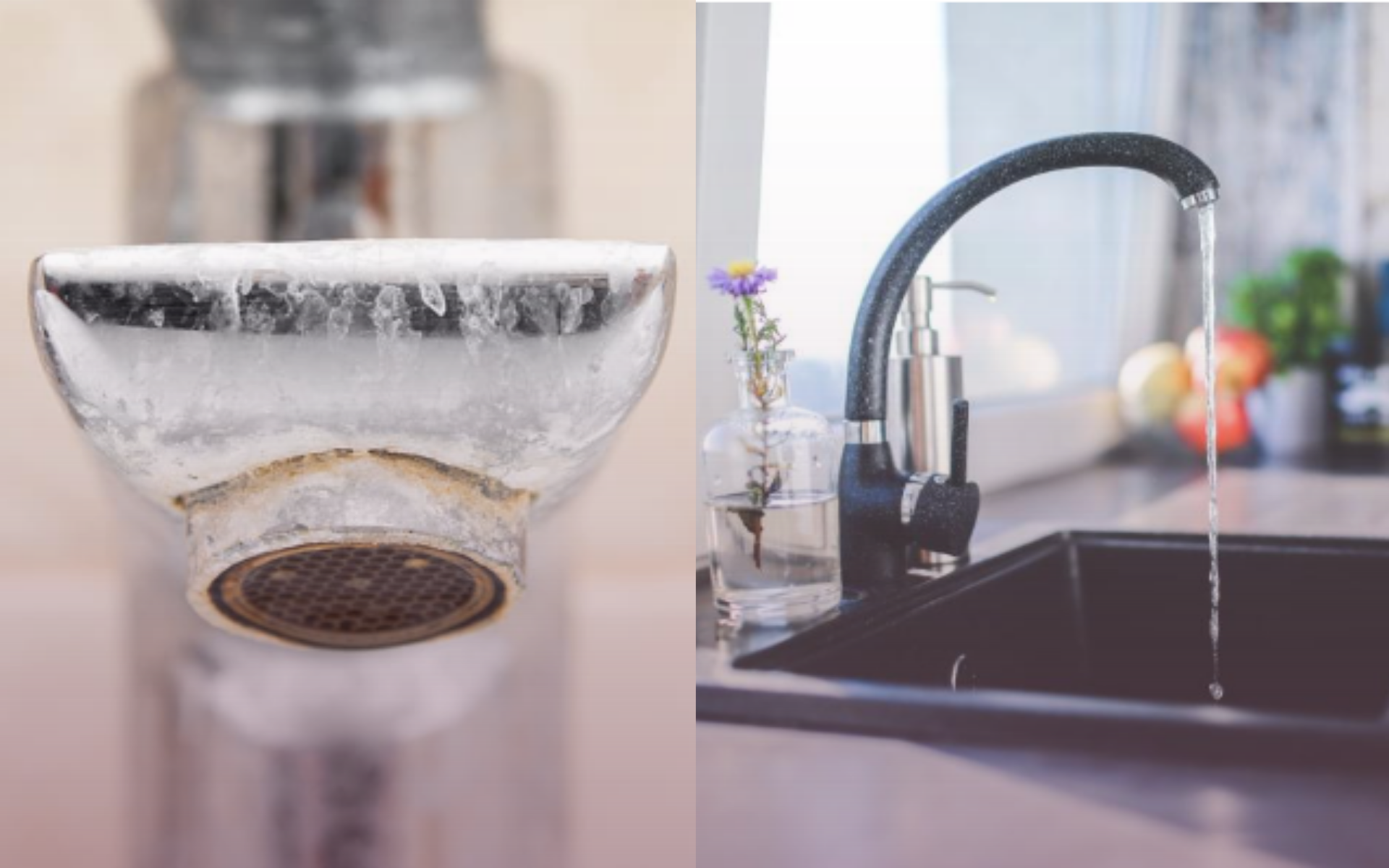
White scale on taps, kettles and shower screens
-
Skin feels tight after washing
-
Hair lacks shine or feels rough
-
Glassware dries with spots
Common signs of soft water
-
Soap lathers easily
-
Fewer mineral stains
-
Clothes feel softer after washing
-
Skin feels smoother post shower
If your bathroom cleaning routine feels endless, hard water is often the silent culprit.
Is hard water bad for your health?
This is where things get nuanced.
According to health research referenced by Healthline, hard water is generally safe to drink and may contribute small amounts of calcium and magnesium to the diet. However, those benefits are modest and usually better obtained from food.
Where hard water can cause trouble is topical exposure.
Mineral residue may:
-
Worsen dryness and irritation
-
Aggravate eczema or psoriasis
-
Disrupt the skin barrier
-
Make cleansing less effective
In other words, it’s not dangerous, but it can be deeply inconvenient if your skin already needs a bit of kindness.
What about soft water – is that better?
Soft water feels lovely on the skin and makes cleaning easier. But traditional water softening systems work by swapping calcium and magnesium for sodium.
That can mean:
-
Slightly higher sodium content
-
A different taste
-
Not ideal for low sodium diets
Softening also doesn’t remove chlorine, heavy metals or other common contaminants. Which brings us to an important middle ground.
Where does filtered water fit into the picture?
Filtered water gives you the best of both worlds.
Instead of altering your entire plumbing system, a tap water filter improves the water you actually use every day.

Filtering helps reduce:
-
Chlorine that dries skin and hair
-
Sediment and impurities
-
Unpleasant taste and smell
And it does this without adding sodium or stripping water entirely.
That’s where a solution like the Lushi Filter Tap Water Filter fits beautifully into daily life. It’s designed to support skin, hair and family wellbeing without fuss or complicated installation.
You can explore the product here:
https://www.lushifilter.com/products/lushi-filter-tap-water-filter
How unfiltered water quietly impacts your routine
We often focus on skincare products, hair masks and supplements, but unfiltered tap water touches your body more often than any cream ever will.
Unfiltered water can:
-
Dry out skin before products are even applied
-
Make haircare less effective
-
Increase the need for stronger cleansers
-
Leave residue on fresh laundry and dishes
Filtering water at the tap helps remove friction from your routine. Fewer reactions. Less product layering. More ease.
It’s not about perfection. It’s about removing what doesn’t need to be there.
Why filtered water makes sense for families

For households with children, filtered tap water offers quiet reassurance.
It supports:
-
Gentler bathing for young or sensitive skin
-
Better tasting drinking water
-
Reduced exposure to common contaminants
-
Less wear on appliances
And when it comes time to replace the cartridge, it’s simple. The refill option lives here:
https://www.lushifilter.com/products/lushi-filter-tap-water-filter-refill-cartridge
No tools. No plumber. No drama.
Hard water vs soft water – what should you choose?
There’s no single right answer, but there is a practical one.
Hard water is safe, but often irritating.
Soft water is comfortable, but not always ideal nutritionally.
Filtered water improves everyday water quality without altering its natural balance.
If your skin feels reactive, your hair feels tired, or your home shows constant scale buildup, filtering your tap water is a sensible place to start.
What this means for your skin and home
Water is the first thing your skin touches each day. It sets the tone for everything that follows.
Choosing filtered water is a small shift that can:
-
Support skin comfort
-
Improve hair feel
-
Make cleaning easier
-
Reduce the need for constant product fixes

It’s not about chasing perfect water. It’s about making everyday life feel a little gentler.
If you’re curious about improving the water you use every day, explore the Lushi Filter Tap Water Filter and see how small changes can add up.


Leave a comment
This site is protected by hCaptcha and the hCaptcha Privacy Policy and Terms of Service apply.